

Photodynamic Therapy (PDT)
Suffering from moderate to severe inflammatory acne vulgaris, photodamage, or rosacea?
At Mill Creek Skin & Laser, we use Photodynamic Therapy, also known as PDT, to effectively treat these concerns.
What are the benefits of Photodynamic Therapy (PDT)?
- Shrinks the sebaceous glands
- Decreases oil production
- Kills the acne causing bacteria
- Reduces inflammation and redness
- Smoother, more even skin tone
- Improves the appearance of some acne scars
- Tightens pores
- Minimal downtime
- No scarring
- No surgical excisions
- No systemic side effects
- Effective alternative to Accutane
What is Photodynamic Therapy?
Photodynamic Therapy is a treatment that uses a special photosensitizing medication, Ameluz®, in conjunction with the Blu-U (blue light) to activate it. This process of activating Ameluz® with light is called Photodynamic Therapy.
What is Ameluz®?
Ameluz® is a 10% solution of Aminolevulinic Acid (ALA). ALA is a natural occurring product found in our bodies.
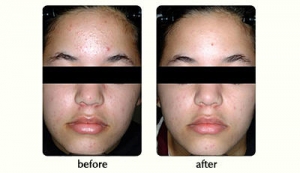
What Our Clients Say
[wpbr_collection id=”220349″]
*Individual results may vary
How does Photodynamic Therapy work?
The Ameluz® is applied to the affected skin and left on to incubate for approximately 60 minutes. The solution is absorbed by the cells where it is converted to a chemical that makes the cells extremely sensitive to light.
Then, the area is exposed to the Blu-U light for a specified amount of time, activating the Ameluz®, which kills the acne-causing bacteria, shrinks the oil glands, and reduces the inflammation and redness associated with acne lesions.
Pre and Post treatment instructions
Fill out the pre- and post-treatment instructions form to learn about what to do before and after your treatment. Remember to sign the form before your appointment.
FAQs
Photodynamic therapy uses a light-activated treatment along with a topical agent to improve acne and skin texture.
Blue light kills acne-causing bacteria and can reduce oil production in pores.
Photodynamic therapy includes a light-activated topical agent while blue light therapy may be used on its own.
People with mild to moderate acne or breakouts that have not responded to other treatments may benefit.
Most sessions take about 15 to 30 minutes, depending on the protocol.
A series of treatments over several weeks is usually recommended for optimal improvement.
Many people feel little or no discomfort, with some warmth or tingling during light exposure.
There is typically no downtime and you can resume normal activities afterward.
Your skin may be more sensitive and sun protection is important after treatment.
Yes, it may help improve skin texture along with reducing acne.
Some improvement may be seen after a few sessions, with increased benefit over time.
Photodynamic therapy may also help with sun damage or precancerous spots in some protocols.
Side effects may include redness, dryness, peeling, or mild irritation.
Yes, the light used is visible blue light and not harmful UV radiation.
Yes, protecting your skin from sun exposure is recommended for a few days after treatment.
Photodynamic therapy may involve a topical photosensitizing solution before light is applied.
It may reduce acne and support clearer skin but should be discussed with your provider as part of a plan.
Many skin types can benefit, but a professional consultation determines suitability.
Some people benefit from occasional follow-up sessions to maintain results.
Contact Mill Creek Skin & Laser Center to book a consultation and learn if this treatment is right for you.